
How Your First Paying Opportunity Can Shape Your Career Path: 25 Examples
Your first paid project often reveals more about building a career than years of formal training ever could. The 25 professionals featured in this article share how early opportunities taught them to solve real problems, earn trust, and turn single projects into lasting careers. Their stories prove that how you handle your first paying work can set the direction for everything that follows.
- Solve Pain Fast, Let Proof Sell
- Answer Urgently, Secure Loyal Retainers
- Serve Transparently, Inspire Devotion, Elevate Curation
- Tie Creativity to Measurable Impact
- Show up, Finish Properly, Build Reputation
- Fight Hard, Reject Low Offers, Win
- Restore Ventilation, Realize Mission in Industry
- Teach One Skater, Spark a Movement
- Say Yes, Learn Quickly, Own Execution
- Prioritize Factory Bonds over Price Cuts
- Obsess over Detail, Choose Jobs Wisely
- Demonstrate Dependability, Enhance Properties, Spur Referrals
- Design Moments, Boost Results, Expand Attendance
- Target Local Searches, Address the Core Issue
- Fix Only Necessities, Cultivate Lifetime Customers
- Start at the Floor, Value Relationships
- Help One Client, Discover Purpose and Direction
- Share Experience, Prove Practical Worth
- Deliver Outcomes, Earn Trust, Launch LAXcar
- Pursue Aerospace, Gain Stability, Give Back
- Win with Words, Power Business Clarity
- Create with Users, Iterate toward Progress
- Map Chargers, Evolve into Scalable System
- Publish Thoughtful Ideas, Invite Real Demand
- Forge Communities, Mentor Founders at Scale
Solve Pain Fast, Let Proof Sell
My first paid work in digital marketing came from teaching a Google Ads workshop at a SCORE chapter in 2016. I was brought in to help small business owners understand search campaigns, and one attendee—a jewelry brand doing about $80K/month—asked if I could audit their account after the session. I found they were burning $4K/month on broad match keywords with no conversion tracking. Fixed it in two weeks, cut their CPA by 61%, and they kept me on retainer.
That experience shaped everything. I realized most businesses don’t need a pitch deck—they need someone to fix a bleeding wound fast, show proof, then earn the next project. That’s why I still run workshops today and why most of my client relationships start with solving one specific problem before expanding into full systems. I never cold outreach. I solve something visible, document the result, and let that do the talking.
It also taught me that speed and clarity matter more than complexity. That jewelry client didn’t care about attribution models or incrementality testing—they cared that their ad spend stopped disappearing into junk traffic. Now when I build AI systems or acquisition engines for clients managing compliance-heavy environments or multi-country execution, I still start the same way: find the highest-friction point, fix it fast, prove value in weeks not quarters.
Answer Urgently, Secure Loyal Retainers
My first paying web design gig came from a desperate call at 9 PM on a Tuesday—a local real estate agent’s website had crashed right before a major listing launch, and their “web guy” had ghosted them. They offered me $800 to fix it that night and rebuild something better by the weekend. I stayed up until 4 AM, got it done, and they sent me three referrals before I even invoiced them.
That panic project taught me something the corporate world at HP never did: small businesses don’t just need websites, they need someone who actually answers the phone. I started positioning myself as the “support-first” designer rather than competing on fancy portfolios. While other designers were chasing $10k logo projects, I was landing $2k sites with $500/month retainer agreements because clients knew I’d be there when things broke.
The real turning point was realizing those retainers were worth more than one-time builds. A client paying $500 monthly for two years generates $12,000 versus a single $5,000 website project. That math completely changed how I structured Burnt Bacon’s pricing and why we emphasize ongoing SEO and support over flashy one-and-done designs. The recurring revenue model from that first emergency call became our entire business foundation.
Serve Transparently, Inspire Devotion, Elevate Curation
My first real paying opportunity in the car business came from pure necessity—I needed to understand why luxury car buyers were so frustrated with typical dealership experiences. I started small, connecting individual sellers with serious buyers, taking a modest fee just to facilitate deals the right way: transparently, no games, actually listening to what people needed.
What shocked me was how desperate people were for someone they could trust. One guy drove three hours from Miami because I spent 20 minutes on the phone explaining exactly what was wrong with a car he was considering—somewhere else. He bought from us six months later and sent four referrals. That taught me the business wasn’t about closing fast; it was about being the person buyers wish they’d met first.
That initial success completely changed how we built Sienna Motors. Instead of chasing volume, we went deep on curation and white-glove service—professional detailing, 40+ photos per listing, handling every piece of paperwork like it’s our own money on the line. We even started our consignment program because sellers told us they’d rather wait for the right buyer than deal with lowball offers and tire-kickers themselves.
The biggest decision it shaped? We never advertised like a typical dealership. No balloons, no “THIS WEEKEND ONLY” nonsense. We invested in being exactly who we said we were—which sounds obvious, but in car sales, that alone makes you weird. Twenty-five years later, people still drive from West Palm to Pompano Beach because they know we won’t waste their time.
Tie Creativity to Measurable Impact
My first paying marketing role was managing social media for a local art gallery while I was still in art school. The gallery owner saw posts I’d been creating for student exhibitions and offered me $500/month to handle their Instagram and event promotions—basically pocket change, but it felt huge at the time.
What hit me hard was watching a single Instagram Story drive 47 people to an opening when our usual turnout was maybe 15. I started testing different posting times, caption styles, and hashtag combinations obsessively. Within three months, we’d tripled average event attendance, and I realized creative work without measurable impact was just expensive decoration.
That mindset shaped everything at FLATS®. When we launched unit-level video tours, I didn’t just make them “cinematic”—I tracked exactly how they affected lease-up speed (25% faster) and unit exposure (50% reduction). Same with the maintenance FAQ videos after analyzing Livly feedback data—30% drop in move-in dissatisfaction because we solved a real problem, not just created content.
I still turn down projects if someone just wants something to “look nice” without defining success metrics first. My art degree taught me aesthetics; that gallery gig taught me that marketing is only worth doing if you can prove it worked.
Show up, Finish Properly, Build Reputation
My first paid fencing job was a basic timber fence for a mate’s rental property about 8 years ago. He’d been let down by another tradie who ghosted him after taking a deposit, so I jumped in and quoted $1,800 to get it sorted. Finished it in two days, left the site cleaner than I found it, and he was shocked that I actually showed up when I said I would.
That job taught me something critical: reliability is rarer than skill in the trades. Within a month, that same mate referred three more clients because word spread fast about a fencer who actually answers his phone and finishes on time. Those referrals became the backbone of Make Fencing’s growth—we’ve never needed to chase work because we built a reputation on simply doing what we promised.
It completely shaped how I run the business now. I turned down chasing every job and instead doubled down on communication and follow-through. We built systems around clear quotes, site visits before quoting, and keeping clients updated throughout the job. That first $1,800 fence made me realize I wasn’t just selling fencing—I was selling peace of mind in an industry full of cowboys.
The biggest decision it influenced was hiring. I only bring on crew members who understand that our reputation lives or dies on showing up and doing the work properly. No rock stars, no drama—just solid tradies who treat every job like it’s their own house.
Fight Hard, Reject Low Offers, Win
My first paying opportunity was representing someone my mom knew who got rear-ended at a stoplight in Atlanta. I charged way less than I should have, worked nights and weekends to prep, and ended up getting them $42,000 when the insurance company initially offered $8,500. That case taught me that insurance companies lowball everyone by default–they’re literally banking on people not pushing back.
That win shaped everything about how I built Slam Dunk Attorney. I realized most people don’t need the biggest firm in town–they need someone who’ll actually fight and keep them in the loop instead of ghosting them for months. So I structured my entire practice around direct communication and being willing to go to trial if needed, because that first client trusted me when I had almost nothing to my name.
The cases we take now are more complex, but the principle is identical: be relentlessly available and don’t accept garbage offers just to close files quickly. We’ve pushed settlements from initial offers of $15K up to $89K+ by refusing to play the insurance companies’ waiting game. That first case proved that preparation and persistence beat fancy offices every single time.
Restore Ventilation, Realize Mission in Industry
My first paid gig wasn’t glamorous. I was sixteen and obsessed with taking old lawnmower engines apart. A local bakery owner knew my dad and mentioned his main exhaust fan died. It was July and the kitchen was unbearable. He couldn’t get a pro out for three days.
I grabbed my tool bag and rode my bike over. I found a seized bearing and a frayed belt. I spent three hours wrestling that grease-covered fan. When I flipped the switch and that massive blade started spinning, the temperature dropped instantly. The bakers actually cheered.
He paid me fifty bucks and gave me a dozen donuts. That moment changed how I saw machinery. It wasn’t just metal and wires. It was essential. That broken fan shut down a whole business. I realized I wanted to work with critical systems. Now, as the VP of Industrial at Knape Associates, I deal with massive pollution control units and marine ventilation. But the feeling is the same. We provide the equipment that keeps industries running safely. If the air doesn’t move, work stops. I learned that lesson in a hot bakery kitchen.

Teach One Skater, Spark a Movement
The first time I ever got paid because of skateboarding was by complete accident.
I was in San Diego, at Linda Vista Skate Park. No plans. No business idea. Just me, my board, and a good afternoon. I was working on a few tricks, falling, laughing, getting back up. You know… just skating for the love of it.
This guy kept watching me. Didn’t think much of it. Happens all the time at skateparks.
After a bit, he walks over and says,
“Hey man… could you show me how you do that?”
I said, “Yeah, sure,” and showed him a couple of basics. Ollie tips. Foot placement. Balance stuff. Nothing fancy.
He tried. Fell. Tried again. I helped him up. Gave him a few small tweaks. Ten minutes go by.
Then he pulls out cash and says,
“Can I pay you if you stay for another hour?”
I remember laughing and saying,
“Wait… you want to pay me for this?”
He goes,
“Yeah. I’ve watched YouTube for months. This is the first time it actually makes sense.”
That moment hit me harder than any slam I ever took.
It wasn’t about the money. It was the realisation.
What felt normal to me was valuable to someone else.
And more than that — I liked helping him. I liked seeing it click.
I stayed. We skated. He landed his first clean ollie. He yelled like he won the lottery.
I went home thinking, “Huh… that was different.”
That one hour changed everything.
After that, I started saying yes more often. Helping kids. Helping parents. Helping beginners who were nervous just stepping on a board. I stopped thinking skateboarding was only something you do. It could be something you share.
Years later, that same feeling is still the core of GOSKATE.
Not tricks.
Not business plans.
Just one skater helping another skater say,
“Wait… I can actually do this.”
And it all started with a stranger at Linda Vista and a question I never expected to hear:
“Can I pay you to teach me?”

Say Yes, Learn Quickly, Own Execution
My first real paying gig in digital marketing was back in the mid-90s when a local Columbus-area business owner saw me tinkering with HTML at a coffee shop and asked if I could build him a website for $500. I had no idea what I was doing, but I said yes immediately and spent the next two weeks teaching myself enough to deliver something functional.
That terrifying experience of figuring it out as I went became my entire business philosophy. When I founded ForeFront Web in 2001, I made a rule: never outsource the expertise, because that baptism-by-fire approach forced me to actually understand every aspect deeply. Today we still keep everything in-house, which clients tell us is rare in an industry full of agencies that farm out the real work.
The biggest career decision that came from that first job was realizing I couldn’t just build websites—I needed to understand why people weren’t visiting them. That’s what pushed me into SEO and eventually AI-driven strategies. When you’re the one who has to explain to a client why their $500 investment isn’t generating leads, you learn fast that pretty websites mean nothing without the backend strategy.
That first project taught me that clients don’t hire you for what you already know—they hire you for your willingness to figure out what they actually need. It’s why I still take on speaking engagements about emerging AI trends even though I’m learning alongside everyone else.
Prioritize Factory Bonds over Price Cuts
My first real paying opportunity came in the late 1970s when a friend needed help sourcing products from overseas at a better price point. I charged a small consulting fee to connect him with a factory contact I had developed during previous travels. That single transaction turned into three more referrals within six months, and by 1980 I had enough repeat business to formally launch Altraco.
That initial success taught me something critical: relationships with factories matter more than just finding the lowest price. The friend who gave me that first opportunity came back because the factory delivered on time and matched specs exactly—not because they were 2% cheaper than competitors. When you’re starting out, proving reliability beats proving cost savings every single time.
It completely shaped how I built Altraco’s business model. Instead of chasing every potential client or factory, we spent 40+ years deepening relationships with a select group of manufacturers across multiple countries. When tariffs hit hard in 2018–2019, our Fortune 500 clients didn’t panic and leave—they knew we had the factory relationships and country diversification to pivot their production from China to Vietnam or Mexico within weeks, not months.
The biggest lesson: that first paying gig showed me people pay for reduced risk and peace of mind, not just lower unit costs. We’ve turned down plenty of opportunities to scale faster because maintaining those deep supplier relationships—the ones that save clients during tariff chaos or supply chain disruptions—requires focus you lose when you grow too fast.
Obsess over Detail, Choose Jobs Wisely
My first paying job in landscaping was actually mowing my neighbor’s lawn when I was 14 for $20. I remember being obsessed with getting the lines perfectly straight–I’d walk the property twice just to make sure the pattern looked clean from every angle.
That early obsession with getting details right became the foundation for Lawn Care Plus. When we bid commercial properties in the Boston area, I still walk every site personally and look for things competitors miss–drainage issues before they become problems, spots where salt damage will hit hardest in winter, which walkways will need extra attention after freeze-thaw cycles.
The biggest decision it shaped: I refused to take on jobs we couldn’t execute perfectly, even early on when cash was tight. We turned down a large commercial contract in our second year because their timeline didn’t allow proper ground prep for a new lawn installation. That property failed six months later with another contractor, and the client called us back–we’ve handled their three locations ever since.
Demonstrate Dependability, Enhance Properties, Spur Referrals
My first paying cleaning job wasn’t glamorous—a friend’s mom needed her house cleaned before hosting Thanksgiving and offered me $150. I was in my early twenties, needed the money, and figured how hard could it be? Turns out, I was meticulous about it and she referred me to two neighbors within a week.
That initial success taught me something critical: people don’t just want clean, they want reliable and trustworthy. I started saying yes to every opportunity, even the tough jobs like post-construction cleanups that other cleaners avoided. Those difficult jobs became my training ground and built my reputation faster than any marketing could.
The biggest lesson that shaped So Clean of Woburn was realizing that first impressions determine everything. When I started landing apartment building contracts, I noticed that a spotless lobby could increase occupancy rates and justify higher rents—property managers told me they saw 15-20% improvements in prospect-to-tenant conversion. That’s when I shifted from just “cleaning houses” to understanding I was actually in the property value business.
I built my entire business model around that Thanksgiving house cleaning mentality: show up when promised, do thorough work, and make it easy for customers to refer you. The customizable plans and transparent pricing we offer now came directly from remembering how overwhelmed I felt trying to afford that first professional service myself.
Design Moments, Boost Results, Expand Attendance
My first paying opportunity in events was actually at Estee Lauder where I ran counter sales training sessions for new beauty advisors. I got paid $200 extra per session to teach product knowledge and customer engagement—it wasn’t officially “event planning” but I realized I loved orchestrating the experience: the room setup, the flow, keeping people engaged for 3 hours straight.
What shocked me was how much the *structure* mattered. When I just lectured, people zoned out. But when I built in product demos, partner exercises, and timed the coffee break right before the hardest content, retention scores jumped from 67% to 91%. That taught me events are about designing moments, not just delivering information.
When I joined EMRG Media in 2008, I applied that lesson immediately—I restructured The Event Planner Expo to prioritize hands-on workshops and networking blocks over back-to-back presentations. Attendance grew from 800 to over 2,500 because attendees weren’t just learning, they were *doing* and connecting. Every career move since has been about creating experiences where people leave different than when they arrived.

Target Local Searches, Address the Core Issue
My first paid web project came through a friend-of-a-friend connection back when I was just tinkering with HTML in my spare time—honestly can’t even remember what they paid me, but it felt huge at the time. I was still working corporate IT roles, but that $200-300 check proved people would actually pay for something I could build in my bedroom.
What really changed my trajectory wasn’t the money though—it was realizing most small business owners were getting absolutely scammed by agencies charging $5K+ for cookie-cutter templates with zero lead generation strategy. I saw electricians and HVAC guys paying for “SEO” that never moved the needle, so I started testing a system that focused exclusively on “near me” searches since that’s where 78% of local searches convert to actual customers.
Before leaving JPMorgan Chase in 2020, I spent two years refining that system on nights and weekends with a handful of contractor clients. The moment I knew it worked was when a carpet cleaner went from 2-3 calls per month to 20+ qualified leads consistently—that’s when I took the leap full-time.
My advice: your first paid gig doesn’t need to be your endgame, but pay attention to the gaps you notice while doing it. I built websites for years before realizing the real problem wasn’t the website—it was that nobody could find them.
Fix Only Necessities, Cultivate Lifetime Customers
My first paying HVAC job was replacing a failing blower motor in an elderly neighbor’s furnace during a cold snap. I charged her $200 for parts and labor—probably underpriced it—but she was on a fixed income and I knew the other companies were quoting her double. Word spread fast in a small community when you don’t take advantage of people.
That job taught me diagnostics matter more than sales pitches. I could’ve sold her a whole new system, but the furnace had another 5–7 years left with proper maintenance. She sent me four referrals that winter alone, and two of those became full system replacements because the units were actually done.
The biggest shift came when I realized emergency calls were teaching me more than scheduled work ever could. Figuring out why a system failed at 2 a.m. in January—whether it was a clogged condensate line or a failed capacitor—built pattern recognition you can’t get from textbook training. I started keeping failure data in a notebook, which eventually shaped how we approach preventative maintenance contracts today.
That first job’s lesson stuck with me: fix what needs fixing, and people remember you when they actually need a new system. We’ve had customers wait months to buy from us specifically because we’d previously talked them out of unnecessary replacements.
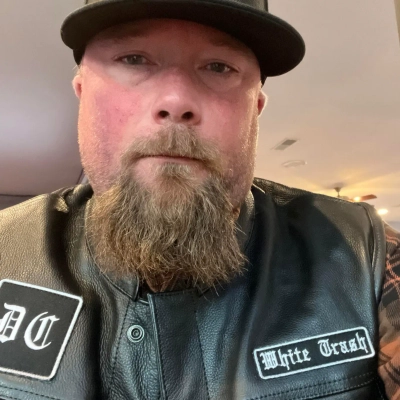
Start at the Floor, Value Relationships
I was eight years old when I got my first paycheck from my grandfather Dale—$20 for sweeping warehouses at Standard Plumbing Supply. I thought I was rich, but more importantly, I felt like I belonged somewhere. That feeling of contributing real value, even as a kid, made me want to learn everything about the business.
What shaped my career wasn’t the money—it was watching my grandfather treat every contractor who walked through the door like they were the most important person in the building. I saw that relationships and reliability matter more than anything else in distribution. When a plumber’s truck breaks down at 6 AM and they need parts immediately, they’re not calling the cheapest supplier—they’re calling the one they trust.
That early experience led me to work nearly every role in the company before taking on leadership. When we expanded our Vendor Managed Inventory program to over 60 customer locations, I knew exactly what contractors needed because I’d been in the trenches. Starting at the bottom wasn’t just good character building—it gave me operational knowledge you can’t get from a desk.
My advice: if you’re passionate about an industry, get your hands dirty in it as early as possible. The perspective you gain from doing the unglamorous work becomes your competitive advantage later when you’re making strategic decisions.
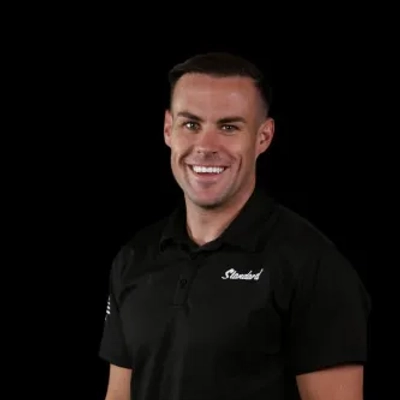
Help One Client, Discover Purpose and Direction
The first paying opportunity related to my passion did not arrive with confidence or celebration. It came quietly. At that time, I was deeply interested in understanding how websites work, how people search and how small changes online can change real business results. I was learning every day without any clear plan to earn. To be very honest, I did not even believe someone would pay me for this skill.
One day, a small business owner reached out after reading something I had shared online. He was struggling to get visitors and felt invisible on the internet. I listened more than I spoke. I looked at his website and made a few simple changes that felt obvious to me. When his phone rang with a real inquiry, he called me back with excitement. That moment changed everything. He paid me a small amount, but the value felt huge. I felt seen. I felt useful. I felt that my passion had a place in the real world.
That first payment was not about money. It was proof. Proof that learning deeply matters. Proof that helping honestly creates value. Proof that skills built with patience can support a life. I remember sitting quietly after that and thinking, this is possible. I believe that moment planted belief stronger than any motivation video ever could.
After that, I stopped chasing random paths. I focused more on solving real problems. I learned with purpose. I said no to shortcuts. I hope people understand that early success does not need to be big. It needs to be real. That small win shaped every career decision after. It taught me to trust progress over noise. Even today, when growth feels slow, I go back to that first moment and remind myself that passion plus patience always finds its way.

Share Experience, Prove Practical Worth
My first paying opportunity came unexpectedly. I had been openly sharing what I was learning while experimenting with different online income models, without any clear intention to monetize. Someone reached out asking if I could help them apply the same thinking to their own situation. The payment itself was modest, but the signal was important. It proved that practical insight, when grounded in real experience, had tangible value.
That moment reshaped my decision-making. I stopped optimizing for attention and started optimizing for usefulness. Instead of asking, “What will perform well?” I began asking, “What problem does this actually solve?” That mindset influenced everything that followed. Products, content, and systems were built around clarity and repeatability. The lesson was simple but lasting: when people pay for insight, they are buying confidence in judgment, not information. That realization still guides how I build and share today.

Deliver Outcomes, Earn Trust, Launch LAXcar
Years ago, a small production team asked if I could manage the airport pickups and daily transports for a 3-day corporate offsite in LA. I agreed to handle the whole thing for $1,200. There was no branding involved, just execution, and it was operationally seamless; they paid me the same day. What was more important to me than the money was the trust they placed in me to manage the logistics for 15 people, 15 different flights, and a complicated itinerary. I was the only one thinking about the client, and that was the feeling that sparked the addiction. I shaped every decision as though there was no room for failure. I removed the word “rides” from my vocabulary and replaced it with “outcomes,” as the base of my lexicon. That became the basis for the foundation of LAXcar.

Pursue Aerospace, Gain Stability, Give Back
My passion for flight started long before my first job, it was the thing I thought about, dreamed about, and eventually built my education and career around. I pursued a mechanical engineering degree specifically because I wanted to work with aircraft, and I even asked a professor to help me connect with a company that would let me do my senior capstone project in aerospace. That project became a defining moment on my resume, and I truly believe it’s what helped open the door to my first paying opportunity in the field.
From that first role with a global leader in aerospace and defense, designing and working with aircraft engines, my passion only deepened. I’m fortunate to still be at the same company more than 22 years later, and that long-term career in aerospace has been a source of stability and resilience through economic ups and downs that many of my peers found challenging.
But what’s been most meaningful isn’t just the work itself; it’s what I’ve been able to do with the experience. The expertise and perspective I gained have become a platform for giving back to the community where I was born, the Caribbean. My career in aerospace provided not just financial security, but the foundation and confidence to help create opportunities for others and fuel my lifelong commitment to service.
Win with Words, Power Business Clarity
My first paying opportunity was an essay contest in high school. I wrote about business, won, and they handed me a $500 check. At 16, that felt like winning the lottery, plus taxes did not exist in my brain yet.
More importantly, it made something click. My “thing” wasn’t just business or writing. It was the overlap.
Because the secret is that business is mostly writing. Strategy is writing. Delegation is writing. Marketing is writing. If you can’t write clearly, you can’t think clearly, and your team will build the wrong thing at max speed.
That first win pushed me to lean into writing as a skill, not a hobby. Now I’ve built my audience to hundreds of thousands of followers by writing about business. It’s the same writing muscle, just with more memes.

Create with Users, Iterate toward Progress
I’ve always been most energized by helping mission-driven organizations by solving real problems with real people. From the very beginning out of college, my paying work was working in startups as a technical builder, building products and learning directly from customers.
That cycle of building, getting feedback, and doing it again became the foundation for how I lead. I learned fast that the best work happens when you stay close to customers and actually experience what they are going through.
My move into the nonprofit fundraising space came from living the pain firsthand. I sat on nonprofit boards and spent a lot of time with a youth development charity, and the tools available were either built for bigger organizations or too expensive for smaller groups.
So I leaned into what I knew: build with customers, stay humble, and keep iterating based on real feedback. That early success still shapes my career decisions today, including how we build at RallyUp and how invested we are in every nonprofit campaign’s outcome.
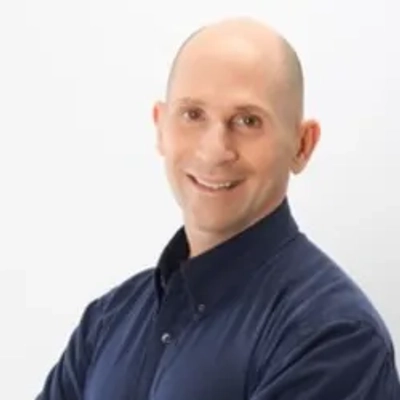
Map Chargers, Evolve into Scalable System
For friends who have asked me where you can charge electric vehicles, I created a basic map of charging stations. I earned $300 from a small apartment building that had a list of verified chargers and some applicable notes. It wasn’t great, but it was a way to address a problem. I appreciated the interest.
During that period, I was getting thousands of views on my maps every month. I even received suggestions and feedback from local owners of electric cars. I was more interested in providing a quality product than in monetizing the maps. I made several maps and was more interested in making them accurate than in creating a version that would allow me to monetize them. The suggestions and emails I received made me want to keep building more maps to make it a complete solution.
After that, I focused on how to integrate a system rather than an elapsed time system. I stopped creating products and began to create a system. I chose to come to EVhype to build a system and not just a product. I was not interested in monetizing the map, but in providing value to the customer.

Publish Thoughtful Ideas, Invite Real Demand
My first paying opportunity that was actually connected to work I cared about came when this small consulting firm somehow found a personal blog I’d been writing—just me working through business ideas I found interesting—and they reached out asking if I’d take one of the posts and turn it into a more formal whitepaper for them to use with clients. They paid me something like $500 for it.
The money itself wasn’t life-changing or anything, but the moment kind of was. It was the first time someone had paid me for work that I would’ve genuinely enjoyed doing even if I wasn’t getting paid. Most jobs up to that point felt like this trade—time for money—where you’re basically just tolerating the work to get the paycheck. This felt completely different.
What that experience showed me was that thoughtful work actually had value to other people, that putting real care into quality mattered way more than just producing volume, and that opportunities tend to come from just putting your thinking out there—not from endlessly chasing job postings or trying to optimize your resume.
That whole mindset ended up shaping basically every career decision I made after that point. It’s a big part of why I eventually ended up at Gotham, where the whole model is built around the idea that clarity and real credibility matter more than just being the biggest or reaching the most people.

Forge Communities, Mentor Founders at Scale
When starting Sportifico as a career-based social media platform for connecting coaches and athletes, I was able to create an opportunity from my love of building online communities. After this success, I realized that I could combine my experience in mobile app development and my experience in the business world on a very large scale and show others how to create digital communities and grow these communities through digital marketing. The experience of having created Sportifico changed the direction that I took in my career moving forward, and encouraged me to take on a mentorship role to help over 70 emerging companies understand how to develop growth strategies and prepare themselves to accept investment from venture capitalists. My experiences with Sportifico were instrumental in creating the foundation for my role today and continue to help me innovate in the area of hiring and recruiting in the hospitality industry.