

18 Ways to Identify Your Unique Niche Within Your Passion Field
Finding a unique niche within a passion field can feel overwhelming, but understanding the strategies that actually work makes the process clearer. This article presents 18 proven approaches gathered from experts who have successfully carved out their own specialized spaces. These professionals share the pivotal moments, patterns, and decisions that transformed broad interests into profitable, distinctive businesses.
- Focus on Problems You Consistently Solve Well
- I Logged Sessions and Measured Repair Results
- A Failed Project Revealed My True Purpose
- Personal Mortality Shaped a Compassionate Business Philosophy
- Track Patterns and Test Every Client Project
- Obsessive Listening Built Brands That Breathe Emotion
- Small Housing Demanded Purpose for Every Square Foot
- Foot Pain Patients Inspired Spacious Leather Designs
- Personal Bodybuilding Journey Created Tailored Supplement Products
- Family Business Needs Launched a National Network
- I Read Patents While Others Chased Hacks
- Creative Obstacles Became Software Development Opportunities
- Skin Reveals How Internal Organs Actually Function
- Developers and Marketers Needed a Bridge Builder
- We Combined Two Services Most Agencies Separate
- Frustration Led Me to Transparent Franchise Solutions
- Customers Wanted Retail Quality in Small Runs
- Successful Founders Struggle to Articulate Their Value
Focus on Problems You Consistently Solve Well
The search for a professional niche often feels like a quest for a hidden treasure map. We believe that if we just analyze the market correctly or introspect deeply enough, a unique path will reveal itself. But this framing can be paralyzing, suggesting there is one perfect answer to uncover. In reality, a meaningful niche isn’t found through grand discovery; it’s clarified over time by paying attention to a different kind of signal beyond simple passion or skill.
The most potent differentiator is not a subject matter, but a specific problem you are consistently drawn to solve. Many people define their passion by a field — “I love technology” or “I am passionate about education.” These are too broad to build a unique angle. The breakthrough comes from shifting your focus from the topic to the recurring tension you enjoy untangling for others. Instead of “technology,” it might be “helping non-technical teams adopt new software without fear.” Instead of “education,” it might be “helping first-generation students navigate the unspoken rules of university life.” This subtle pivot from a field to a friction point is where true expertise begins to form.
I once worked with a talented marketing manager who felt her career had stalled. She was good at everything — social media, email campaigns, content — but she felt interchangeable. The shift occurred when we stopped discussing marketing tasks and started discussing what she did on the side. She was the person everyone in her life came to for help writing difficult emails or editing sensitive documents. She loved the specific problem of finding the right words to de-escalate conflict and build trust. That became her niche: not “marketing,” but “crisis communications and reputation management for small business leaders.” Her unique angle was never about the tools of her trade, but about the specific type of fire she was uniquely suited to put out. Often, your niche is defined not by the work you want to do, but by the messes you can’t help but clean up.
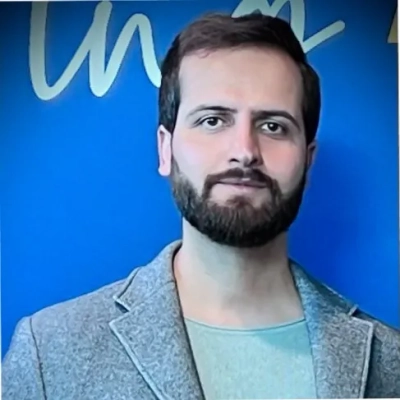
I Logged Sessions and Measured Repair Results
I found my angle by tracking what actually changed people, not what sounded impressive.
For six months I logged every session and circled the exact moments that moved the needle. When we taught repair skills and nervous-system downshifts, couples and teams improved fast; when we stayed abstract, nothing stuck. I built two tiny pilots to test it: a 24-hour repair challenge for couples and a fight-well lab for cross-functional teams. And I measured time to repair, repeat arguments, and escalations.
As a result, the numbers dropped, the labs filled, and referrals named the same phrase back to me: repair before results.
I treated the niche like a product. I A/B-tested workshop titles, email subject lines, and landing page copy; “repair before results” doubled opens and booked out faster than “communication skills.” I shadowed a few lighthouse clients to watch what broke under pressure, then shaped tools around those moments: a longer-exhale reset, a 3R script, fairness checks. The breakthrough wasn’t a rebrand; it was saying no to everything that wasn’t this.
Once I committed to repair skills plus nervous-system literacy, my work got simpler, outcomes got clearer, and the right people started finding me.
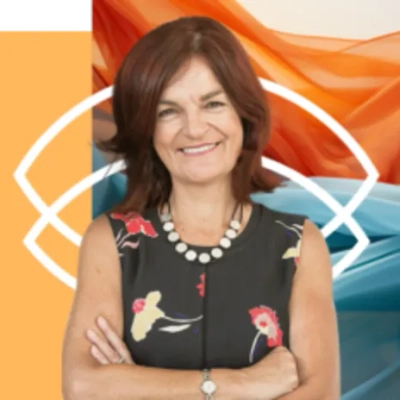
A Failed Project Revealed My True Purpose
I had been a writer for more than 10 years when I found my niche. Up to that point, I often rolled my eyes when business and career coaches talked about the transformative power of specializing. Being a generalist helped me move from magazines to startups to agency jobs where I got to do work for some of the world’s biggest brands. But if I’m honest, none of that work made me truly happy because it wasn’t meaningful to me.
At a certain point in my career, I had resolved that my work would simply support my “real” creative passions. Then I worked on a project that changed everything — because it all went wrong. I had recommended that a client build thought leadership by featuring their executives and experts in their marketing. When they didn’t, and their marketing campaign fell flat, it upset me more than I thought it would. I realized that I was upset that the company wasn’t honoring the expertise that made them great. I also realized that I didn’t have enough influence in that situation because I wasn’t promoting myself either.
Not long after, I started a creative agency that specializes in thought leadership for founders and executives. It’s pretty darn niche. But it allows me to connect with my core belief that we attract the opportunities that are meant for us when we express ourselves authentically. We shouldn’t have to shrink ourselves to grow our businesses or our careers, and I’m so glad this niche lets me help more people have that realization.
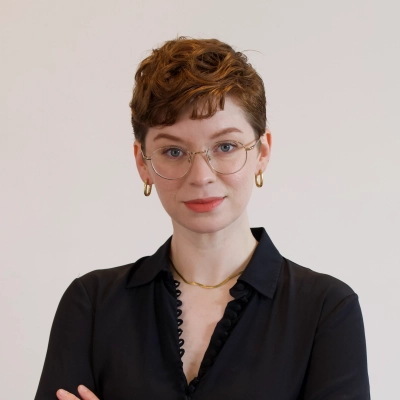
Personal Mortality Shaped a Compassionate Business Philosophy
When I founded my company, it came from a very personal place. Facing my own mortality made me think differently about what truly matters at the end of life. I realized that most people want something more meaningful than the standard funeral experience, yet few options reflected that. I started exploring how we could reimagine funerals as celebrations of life — personal, compassionate, and grounded in beauty rather than formality. That idea became my obsession.
The real breakthrough came through conversations. I spoke with families, celebrants, and people planning their own funerals. I listened to what they wished existed. Those early talks shaped our philosophy: to bring modern design, emotional honesty, and genuine care into an industry that often feels outdated or uncomfortable.
I didn’t try to compete with traditional funeral homes. I focused on creating something that felt human and healing. The niche revealed itself naturally — helping people find peace and meaning through a difficult process. Aura was built around that need, and it continues to evolve through every family we serve and every story we honor.

Track Patterns and Test Every Client Project
The breakthrough came when I stopped chasing trends and started tracking patterns. I noticed that clients struggled not with content creation, but with clarity on what to say, how to say it, and why it mattered. That gap kept showing up across industries, platforms, and team sizes. So, I leaned into it. I began focusing on strategic messaging, helping brands define their voice before amplifying it.
The niche wasn’t built overnight. I tested different formats, rewrote dozens of landing pages, and audited SEO strategies that looked good on paper but lacked emotional pull. I paid attention to what got results and what got ignored. Over time, the angle became clear: content that converts starts with positioning that resonates. That’s where I decided to go deep.
Research helped, but real traction came from experimentation. I treated every project as a lab, every client as a case study. That mindset turned passion into process, and process into a niche that actually solves problems.

Obsessive Listening Built Brands That Breathe Emotion
I didn’t stumble into my niche, I sculpted it.
My business was born from a quiet rebellion against generic branding. I kept seeing brands speak in borrowed voices, chasing trends instead of truth. So, I asked: What if we built brands that blush? That feel, flirt, and forge real emotional connections?
The breakthrough came from obsessive listening. Not just to clients, but to culture. I studied how people speak when they’re vulnerable, excited, in love with a product or a purpose. I experimented with language that didn’t just inform, it invited. Every pitch, every deck, every campaign became a lab for emotional resonance.
We tested tones like textures. We layered strategy with softness. And slowly, a pattern emerged: when brands speak like humans, humans listen.
My niche isn’t just brand strategy, it’s emotional architecture. We build brands that blush, brands that breathe. And that’s not a tagline. It’s a promise.

Small Housing Demanded Purpose for Every Square Foot
My niche came from years of trying to address a problem in Vancouver’s housing that was very real. Many homeowners ordered to remain close to family or community were unable to afford the size of a “real” house. City bylaws limited new ideas of housing, so I started my business to explore what was possible. I met with hundreds of residents and planners in the city and learned how zoning, materials, and “living” could be an issue for design and construction. The answer to my question was that small housing was not only less expensive, but smarter and much more durable.
The pivotal moment came when I stopped downsizing the big-house concepts and began to design house sizes around how people lived day to day. Every square foot had to justify its existence in some way, be it light, location, or children’s built-in storage. We worked to design new ideas about layouts. Each new idea and material was tested until a balance and a sense of time were found. This became the established direction of our work where small scale was our forte.
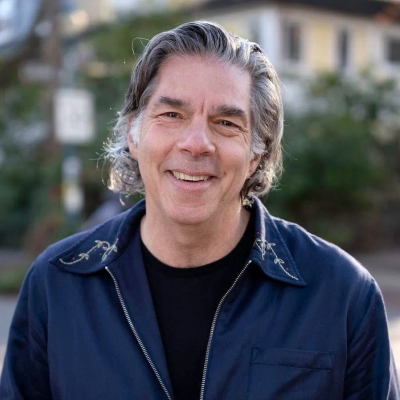
Foot Pain Patients Inspired Spacious Leather Designs
I paid attention to feet before I paid attention to fashion. I suffered from plantar fasciitis when I went to a doctor. While waiting for my turn, I saw many people suffering from different foot conditions caused by shoes that cramped toes, which resulted in forefoot pain. Most came from wearing stiff dress shoes with narrow fronts.
When I went home, I started to test the idea. I cut apart old soles, sketched new shapes, and built rough leather samples with extra toe space and flexible bottoms and then wore them every day on hard floors to see what changed. Our early sales were around 50 pairs each month, while returns stayed low at 3.20%. That told me the idea had potential.
Customers told us that their bunion and Morton’s Neuroma pain eased after a couple of weeks of wearing our shoes. Our designs encouraged toes to spread and arches to move again, which meant the design supported natural motion. We proved that leather shoes can look good enough for a meeting while still letting your feet behave like they’re supposed to.

Personal Bodybuilding Journey Created Tailored Supplement Products
My experience as a fitness professional is a result of blending my personal health and wellness journey with client success experiences. As a personal trainer, I have seen numerous individuals struggle to understand the role nutrition plays in achieving their desired fitness goals. My own experience of going from a skinny teen to a competitive bodybuilder taught me the importance of both adequate nutrition and supplementation to support muscle development and athletic performance. The lack of tailored fitness products to address various needs became evident to me, so I made the decision to create products that would fill this void.
Learning and trial and error were key to the development of a successful supplement line. I continuously tested various supplements, studied what effects they had on athletic performance, and used the results from testing to assist my clients. From this experimentation came Better Body Sports, which is a brand I developed for the purpose of helping individuals reach their goals with the proper products and education regarding the scientific aspects of those products in relation to their fitness journey.

Family Business Needs Launched a National Network
I found my unique niche in the early 2000s while I was employed as a full-time web developer for a large manufacturer of electrical insulators. I built the company’s website, attended trade shows, and gave presentations to their large network of independent sales reps. At the same time, my family owned a small chain of skincare salons and they wanted to try selling their private label product line across the country using independent sales reps, so I offered to help them get started.
After scouring the internet for days and weeks, I found there were many online job boards for full-time employment opportunities, but posts for independent commission-only sales reps were difficult to find and often scattered on obscure community boards and forums, and the idea for my business was born.
I began building my own niche website dedicated to connecting companies from any industry with independent sales reps, and in 2003 it was officially launched. I provided the service completely free of charge for the first year as a test run, and it slowly grew in popularity. I posted my family’s skincare product line opportunity on the website, and they steadily received regular inquiries from interested sales reps. As my family began to have success through the site, I knew I could help other companies large and small, so I left my job in 2005 to run Manufacturer Rep Network, LLC full-time.
22 years later, we help connect companies and independent sales reps from virtually every industry throughout the United States and Canada. We work with organizations of all sizes, including Fortune 500 companies, but my heart and my passion will always be in helping small businesses grow.

I Read Patents While Others Chased Hacks
I identified my unique angle across my SEO niche by doing something most SEOs avoid: I stopped reading blogs and started reading patents.
Everyone was focused on chasing quick wins and ranking hacks. But when I read a Google patent on “information retrieval based on historic data,” it hit me: Google doesn’t rank websites; it ranks relationships between ideas over time.
So, I changed everything.
Instead of just publishing optimized pages, I began mapping how topics connect, how content evolves, and how Google might interpret trust and authority across time. We restructured entire sites around this concept: creating deep, interconnected content ecosystems.
The results were wild. One client saw a 75% uplift in non-branded organic traffic within 90 days, without touching backlinks or paid ads.
That was the breakthrough. My intent became clear: future-proof SEO that aligns with how search engines think, not just how they behave today.

Creative Obstacles Became Software Development Opportunities
My way of seeking a comfortable spot in the music creation world was by developing tiny instruments for music-making challenges I faced. Any time a bothersome creative process task or restriction in my creating process showed up, I considered it a problem to solve: Can technology be used to make this more artistically engaging? Gradually, I came to see some distinct advantages in experimenting, having the software ideas tried by the same music-maker in different categories, and some discoveries made in signal processing becoming more pronounced. The suggestions that got the best reactions from my partners were the ones that were technically engaged and artistically expressive. That’s when I came to know what was so particular about my way: making sound software that develops aural qualities rather than obstructing their flow through the artist.
Skin Reveals How Internal Organs Actually Function
I found my niche when I began to realize the amount of information about an individual’s inner workings that can be gleaned through an individual’s skin. As I continued to observe how an individual’s coloration could demonstrate how their internal organs were functioning, I was able to find my own way of practicing aesthetics: observing how all areas of the body function and relate to each other and how they react to various stimuli.
The more I practiced, the more I understood how minor adjustments in treatment time can have a significant impact on reducing inflammation. For example, a mere 5 milliseconds longer or shorter of a laser pulse can reduce inflammation by approximately 20% depending on the patient. This type of precision creates a vast difference in whether the results are perceived as naturally refreshed or artificially enhanced.
In essence, effective skin care is far more than merely a topical treatment. Each and every pore, tone, and texture of an individual’s skin demonstrates how their body functions internally — how it circulates, how it repairs itself, and how it reacts to stressful situations. When I began to treat the skin as part of the overall body system, I noticed that the results were consistently natural and long-lasting. My practice is based on the idea that true beauty occurs when we restore our body’s internal balance.

Developers and Marketers Needed a Bridge Builder
My unique angle came from pure frustration over a decade in the field!
I kept running into the same problem over and over: the WordPress developers just didn’t connect with the marketing people, and the marketing managers were totally fed up because their web developers barely had a clue about how to drive real conversions. It dawned on me that this rift was right at my doorstep because of my own background.
So we started out by testing the idea with some early clients, rebranding ourselves as Marketechs — people who can deliver like top-notch engineers but think with the sharpness of seasoned marketers. And that simple claim about bridging the gap somehow just clicked with people, and before we knew it, we had earned ourselves a reputation as the go-to solution.

We Combined Two Services Most Agencies Separate
I found my niche by mixing digital PR with creator marketing — most agencies did one or the other, not both. We tested sending PR packages to creators and saw brands getting backlinks and UGC at the same time. That experiment showed the gap, and it became our main angle ever since.

Frustration Led Me to Transparent Franchise Solutions
My niche found me when frustration finally outweighed excitement. I didn’t set out to reinvent franchising; I just wanted to fix what felt broken. Too many gatekeepers, not enough straight answers.
So I stopped overthinking and started listening. I spoke with hundreds of aspiring owners who all said the same thing: “I just wish this process felt fair.” That moment made the direction clear. Franzy exists to make franchising transparent, practical, and truly supportive of the people who operate the business, not just the ones who sell it.

Customers Wanted Retail Quality in Small Runs
I found my lane in promotional products sales when I realized customers weren’t actually excited about “swag” — they were excited about custom pieces that looked like retail. So I doubled down on that: talk like a maker, not a catalog, and make it easy to order small runs. After a few years in the trenches, I saw we could win more of those jobs just by showing up in search when people typed super-specific stuff (“custom PVC patches,” “leather patch hats”), so I shifted hard into SEO for promo and built content around the exact terms buyers were already using.
Successful Founders Struggle to Articulate Their Value
My career path wasn’t planned. I learned about marketing by helping my father with his roofing business. It taught me that marketing wasn’t theory; it was how you paid the bills.
I eventually started my own agency and ran it for twelve years. I hit a wall where I was the business. I was the bottleneck, the only one who could sell. I couldn’t grow the company beyond myself.
After I sold the agency, I spent years in executive roles and consulting. I saw my own struggle show up in other companies. I kept meeting founders who were awesome at their jobs but terrible at telling their company’s story. They were so close to their work they couldn’t make clients understand what made them different. They were losing projects to cheaper competitors and constantly defending their prices. They couldn’t find the simple words to prove their value.
I realized that was the work I was meant to do. My niche isn’t an industry. It’s that specific founder who has built a successful firm but is now trapped by it. The business they built to create freedom was now trapping them. I wanted to help them get out of that trap by helping them package their life’s work, telling a story their ideal clients will actually understand and get excited about.