

25 Ways to Transform Overwhelm into Passion: Mindset Shifts That Make It Possible
Feeling buried under endless tasks and struggling to find meaning in the work? This article offers 25 practical mindset shifts backed by insights from experts who have successfully transformed their own overwhelm into genuine passion for their work. These strategies provide concrete approaches to reframe stress, rebuild systems, and reconnect with purpose in ways that actually stick.
- See Weight As Purpose
- Prioritize Lives Uncover Overlooked Details
- Diagnose Overload Redesign Growth
- Replace Reaction With Designed Systems
- Listen First Teach Quick Triumphs
- Let Odd Briefs Inspire Creativity
- Turn Projects Into Practice
- Automate Drudgery Create Better Features
- Play Problems Like Quests
- Unload Tasks Onto Post-Its
- Declare Duty A Choice
- Narrow To A Strong Message
- Inventory Wins To Gain Clarity
- Safeguard Core Work Delegate The Rest
- Anchor To Mission And Stories
- Design Questions That Remove Friction
- Invite Client Input Improve Process
- Refine Pressure Craft Scalable Frameworks
- Select One Priority Build Momentum
- Repackage Strengths Toward Targeted Advantage
- Celebrate Each Learner Victory
- Return To Roots And Tell Tales
- Rekindle Customer Joy
- Leverage Issues For Automation Experiments
- Protect Quiet To Renew Drive
See Weight As Purpose
There was a point early in my journey with Byrna when the sheer weight of responsibility felt heavy. Building a law enforcement division from the ground up, traveling constantly to train officers, and standing behind a mission that carries real consequences for public safety demanded everything I had. What initially felt overwhelming forced me to take an honest look at why I stepped into this role in the first place.
The shift came when I stopped framing those responsibilities as pressure and started seeing them as proof of purpose. Instead of trying to manage every moving piece at once, I focused on what mattered most: giving officers practical options that help them resolve volatile situations with greater control and fewer irreversible outcomes. Once I anchored my thinking there, the work stopped feeling scattered and started feeling intentional.
I also learned to treat each responsibility as an opportunity to influence outcomes beyond a single training or conversation. Every course delivered, every demonstration, and every discussion with agency leaders became a chance to shape decision-making under stress. That perspective changed how I approached my days and helped me stay disciplined about where I invested my time and energy.
What once felt like constant pressure now fuels my passion. I know the tools and training we provide can create safer moments for officers and the communities they serve. Keeping that truth front and center transformed responsibility into motivation and reminded me that this work is worth carrying forward, even when the load feels heavy.

Prioritize Lives Uncover Overlooked Details
I’ll be honest–early in my career as a prosecutor at the Harris County DA’s office, I was drowning in caseloads. I had stacks of files, victims calling, court dates piling up, and I felt like I was just processing cases instead of actually helping people. That’s when I realized I was looking at it all wrong.
The shift happened when I stopped seeing each case as just another file number and started seeing the actual people and stories behind them. One DWI case I reviewed had field sobriety test reports that were clearly wrong–the officer claimed the defendant failed for using arms for balance, but the manual allows up to 6 inches from the body. That attention to detail became my obsession, and suddenly the work wasn’t overwhelming anymore–it was a puzzle I wanted to solve.
When I moved to defense work and started my own firm, that same mindset carried over. I remember one client who shared their arrest story with me–they kept saying, “How could this be happening to me? I’m a good person.” That desperation they felt became my fuel. Every case stopped being about the workload and became about someone’s life I could actually impact.
The real mindset shift was this: I stopped trying to handle everything and started asking, “What detail is everyone else missing?” In DWI cases, most lawyers don’t know that you’re allowed half an inch between heel and toe on the walk-and-turn test. Finding those overlooked details turned pressure into passion because I knew I had an edge others didn’t.

Diagnose Overload Redesign Growth
Fix only clear mechanical issues such as misspellings, missing or incorrect punctuation, extra spaces, or obvious typos.
Do NOT rewrite, rephrase, rearrange, or improve any sentences.
Do NOT change wording, tone, style, structure, or sentence order.
Preserve all acronyms, line breaks, and formatting exactly as provided.
Return the text with minimal corrections only, and only where objectively necessary.
How did you transform a moment of feeling overwhelmed by responsibilities into an opportunity for your passion?
The transformation came when I stopped treating overwhelm as a personal limitation and started treating it as a data point. During periods of intense growth, when marketing, sales, and revenue operations all demanded attention at once, I noticed that the stress peaked when systems were unclear and decisions were reactive. I remember advising founders in markets like Des Moines, where teams are often lean and everyone wears multiple hats, and realizing that the work I enjoyed most was diagnosing where the system itself was breaking down. By reframing overwhelm as a signal to redesign processes, improve attribution, and clarify ownership, responsibility became a direct outlet for my passion for building scalable, data driven growth systems.
What mindset shift made this possible?
The mindset shift was moving from execution focused thinking to systems focused thinking. Instead of asking how to get more done, I started asking why the work felt fragile in the first place. I often tell operators that pressure is rarely caused by effort alone, but by ambiguity in how decisions are made and measured. Once I adopted that lens, responsibility stopped feeling like constant firefighting and started feeling like purposeful problem solving, which is where my passion for revenue intelligence and operational clarity naturally lives.

Replace Reaction With Designed Systems
At one stage, having multiple responsibilities caused me to think I would never be able to get through them, because I had clients, drivers, and logistics to worry about at midnight. I remember that I had so much to do, but I was still overwhelmed, and that was because I was reacting to work instead of working. I was overoccupied and stressed, so I had to think about what parts of work were creating energy. Surviving instead of owning my responsibilities was a notable mindset shift. And I stopped doing everything and began to plan processes and allocate responsibilities to other people. This relieved my mental strain. I stopped putting out fires and was able to focus on improving things; I was able to use my creativity to eliminate problems and build great things. I was very surprised that my passion returned very quickly, once I created order from the disorder. Instead of placing responsibilities on one another, I worked to align them. For me, the transition from being overwhelmed to being completely immersed in a task was that there was order in the disorder. The energy and clarity that come from pressure are a form of chaos.

Listen First Teach Quick Triumphs
I was completely out of my depth moving from hands-on work to leading a team. What saved me was shutting up and listening, then nailing some small, easy wins. It reminded me of when new compliance rules hit at Bell Fire and Security. I stopped doing it all myself and just broke down the new rules for my crew. It took some time, but they got confident. The daily stress became a shared feeling that we actually knew what we were doing. Just turn the big, scary tasks into a chance to teach someone. The work gets lighter, and they learn to count on you.

Let Odd Briefs Inspire Creativity
My jewelry shop gets crazy when custom projects pile up. I used to think it was just stress. Then I shifted my thinking. Now I treat every weird client request like a creative prompt. That pressure turns into curiosity and suddenly we’re designing something we’ve never made before. It’s not about the workload anymore; it’s about the story they want to tell with a ring. That’s the best part.

Turn Projects Into Practice
When a full client load felt overwhelming, I aligned my work with my passion by selling services in the skills I wanted to learn, turning billable hours into paid education. To learn AI, I built and sold small AI products and used customer feedback and technical hurdles as my learning plan. The mindset shift was treating every project as a classroom and each deliverable as deliberate practice for my passion.

Automate Drudgery Create Better Features
When Fotoria blew up, I was getting buried in design requests. Our AI took over the repetitive tasks and everything changed. Instead of just answering emails, I could actually start building new features like TruLike, and that’s when it got fun again. Now, if I start feeling swamped by the small stuff, I just remember that shift. Getting rid of the busywork lets me focus on making the product actually good.

Play Problems Like Quests
At PlayAbly, the launch of our new tool was a mess. I was drowning in urgent decisions and had no idea where to start. Then one day, I just got tired and decided to treat it like a video game. Every bug was a mini-boss; every complaint a side quest. Suddenly it was kind of funny. The pressure turned into curiosity, and the whole team relaxed. If you’re swamped, don’t just solve the problem; play with it.

Unload Tasks Onto Post-Its
Here’s a trick. When I’m drowning in healthcare marketing work, I stop and write every single task on a post-it note. It sounds dumb, but it clears my head. Last quarter, that simple habit sparked the idea for our best campaign yet. Sometimes the pressure is exactly what you need to find a better way forward.

Declare Duty A Choice
There was a point when responsibility stopped feeling purposeful and started feeling overwhelming. I was managing expectations, roles, and commitments from many directions, and even things I cared about began to feel heavy. What helped me shift was realizing that much of that pressure was coming from an old pattern of over-responsibility rather than from the present moment itself.
Inner child healing gave me language for what was happening. I recognized that part of me had learned early on to equate being responsible with being worthy, useful, or safe. That realization was important, because it allowed me to separate current obligations from inherited patterns. Not every responsibility needed to be carried with the same urgency or self-sacrifice.
The mindset shift was moving from responsibility as obligation to responsibility as choice. Instead of asking how to meet every expectation, I began asking which responsibilities were aligned with who I was now, not who I had learned to be in the past. That distinction created space for passion to return.
Once responsibility became intentional rather than automatic, my energy changed. The work I chose felt meaningful again because it was rooted in self-authorship, not pressure. Inner child healing didn’t remove responsibility, but it changed my relationship to it, turning overwhelm into an opportunity to build a life and body of work guided by clarity, care, and genuine interest rather than fear or conditioning.

Narrow To A Strong Message
Running that branding project, I got completely swamped and could feel myself burning out. What helped was shifting my focus from the endless to-do list to the actual creative problem-solving. When a huge campaign felt overwhelming, I just concentrated on crafting one good message at a time. That small change made the intense work feel less like a chore and more like something I was genuinely into again.

Inventory Wins To Gain Clarity
When the workload felt heavy, I paused to write a full list of what I had already accomplished, from small wins to major milestones. Seeing that progress shifted my mindset from pressure to clarity, I built a to-do list with actionable goals similar to past achievements. That simple reframing turned a stressful moment into focused work that aligned with my passion.

Safeguard Core Work Delegate The Rest
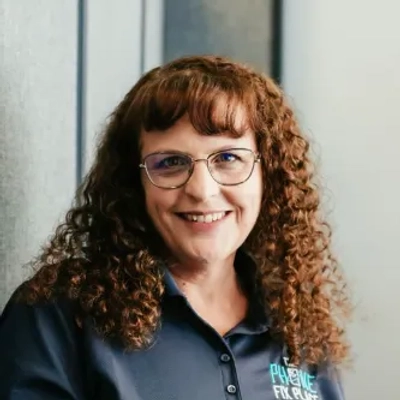
I left Intel after nearly 14 years not because I had it all figured out, but because I was completely burned out trying to be excellent at everything corporate engineering demanded. The shift happened when I stopped asking “how do I handle all these responsibilities?” and started asking “what would I do if I could only focus on what actually matters to me?”
I opened The Phone Fix Place knowing I’d trade some security for autonomy, but I didn’t realize I’d have to kill my engineering perfectionism to survive. Early on, I was trying to answer every call, do every repair, manage inventory, and still somehow improve my micro-soldering skills. I was recreating the same overwhelm I’d left Intel to escape.
The real change came when a customer broke down in my shop because I’d recovered photos of her late husband from a water-damaged phone. I realized I’d spent the whole morning stressed about supplier invoices when this–helping someone through an irreplaceable loss–was the actual work that made me get out of bed. I immediately hired someone to handle scheduling and parts ordering so I could spend more time on the bench doing advanced repairs that most shops won’t touch.
Now I protect my repair time like it’s sacred, and I’ve built systems so customers get honest diagnostics and fair pricing without me micromanaging every interaction. My advice: identify the one thing that reminds you why you started, then build everything else around protecting your ability to do that thing well.
Anchor To Mission And Stories
Starting Aura Funerals felt completely overwhelming, almost paralyzing at first. But then I remembered why we started, to change those old funeral traditions. Shifting my focus from processes to actual people’s stories brought the work back to life for me. Treating each new task like a small adventure instead of another burden, honestly, that’s what got me through the tough days.

Design Questions That Remove Friction
What I believe is passion doesn’t protect you from overwhelm; it just reminds you what matters when you’re in it. There was a point early in building Dos and Don’ts where I was juggling product decisions, user onboarding, team leadership, and content integrity, all while trying to stay true to the mission of behavioral clarity. I remember staring at a spreadsheet one night thinking, ‘I built this to help people feel less confused, and here I am, drowning in confusion myself.’
That moment shifted something. I realized I wasn’t overwhelmed by the work; I was overwhelmed by the pressure to have every answer. So I reframed it: What if my job wasn’t to be the answer, but to design better questions? That mindset freed me. I went back to our users and team with one clear ask: ‘Where do you feel friction? Let’s fix that first.’
Turning overwhelm into passion didn’t come from doing less. It came from anchoring every task to the mission: helping people navigate the world with confidence.
Invite Client Input Improve Process
I was getting buried under tough property surveys and demanding clients. So I tried something new. Instead of seeing every problem as a disaster, I started asking clients what they thought and figuring out how to do it better next time. Weirdly, I found I actually enjoyed that part. It reminded me why I got into real estate in the first place.

Refine Pressure Craft Scalable Frameworks
I hit that wall in my mid-thirties, juggling deals, teams, board pressure, and constant context switching. The work was exciting, yet the responsibility load felt relentless. What changed things was realizing I was treating weight as a signal to retreat, not a signal to refine. I stopped trying to carry everything myself and started designing systems that could carry the work. That meant leaning into tech as leverage, trusting partners, and building repeatable frameworks instead of heroic effort.
The mindset shift was hard-earned but straightforward. Responsibility is not something to survive. It is raw material. When I reframed it that way, pressure became a creative constraint. I could channel it into sustainable growth, cleaner decision-making, and partnerships that recycled insights rather than burning them up once. That approach mirrors how I think about sustainability in business. You reuse what works, discard what drains energy, and invest in platforms that compound over time.
Outside work, endurance sports reinforced this lesson. Long races punish panic and reward pacing. The same applies to corporate development. When you respect limits, rely on smart tech, and build processes that recycle value, the overwhelm turns into momentum you actually enjoy chasing every day.

Select One Priority Build Momentum
One moment I remember clearly was staring at a long list of responsibilities late at night and feeling oddly stuck instead of productive. Everything felt important. It felt odd at first admitting I couldn’t push harder. What shifted things was deciding to treat the overload as a signal, not a failure. I picked one responsibility I actually cared about and gave myself permission to do it well, even if the rest moved slower. That small focus created energy instead of draining it. Funny thing is momentum followed once pressure dropped. Tasks stopped blending together. Passion came back when responsibility narrowed. The mindset change was moving from proving I could handle everything to choosing what deserved my attention, a bit imperfectly but honestly.

Repackage Strengths Toward Targeted Advantage
When the responsibility of moving into a new industry and leading an agency felt heavy, I went back to what I knew best. I stopped thinking I had to start from zero and treated my time as an Electronic Warfare Specialist in the Royal Marines as my advantage. I applied the same technical analysis, problem solving, and calm under pressure to running an SEO agency for private jet companies. I also focused on that niche so I could repurpose my strengths with intent. The mindset shift was simple: do not reinvent yourself, repackage what already works and let it fuel your passion for the work.

Celebrate Each Learner Victory
Starting UrbanPro felt impossible at first. The education gap across India is just massive, and I was burning out. The trick was to forget the big picture for a while and just handle one thing at a time. Helping one kid find a science tutor in Mumbai, that was something I could actually do. Those small wins are what keep me going.

Return To Roots And Tell Tales
Running Japantastic started to wear me down, so I went back to my original love for Japanese culture. Instead of seeing problems as dead ends, I used them as new stories to share with customers. That’s what kept me going. When things get tough, remembering why you started in the first place is what actually helps.

Rekindle Customer Joy
Some days the inventory and legal stuff just crushes me. Then a cosplayer will send a photo of themselves with one of our props, and suddenly I remember why I do this. Focusing on the stories behind the items changes everything. When you see how excited people get, the heavy responsibilities don’t feel so heavy anymore. You’re not just managing stock; you’re helping someone become their favorite character.

Leverage Issues For Automation Experiments
Running a global consulting team, I almost burned out from the nonstop SaaS projects. Then I started treating each problem as a chance to improve our NetSuite setup and add automation. Suddenly I was more into solving things than ever. When you’re swamped, see it as your lab to experiment in. Every issue is an opening for you and your team to get better.

Protect Quiet To Renew Drive
When my responsibilities felt overwhelming, I created intentional quiet time each day to slow my breathing and reset, a habit shaped by my work with individuals with intellectual/developmental disabilities and disabled Veterans. Reframing stillness as essential to doing my best work, not optional, turned stress into focus and renewed passion for the mission.