

25 Ways Teaching Your Passion Creates Unexpected Bonds and Connections
Sharing what you love can transform casual acquaintances into lasting relationships in ways you never expected. This article gathers practical examples and expert perspectives on how teaching your passion builds authentic connections across different contexts—from family dynamics to professional partnerships. These 25 real-world scenarios reveal how knowledge-sharing creates trust, understanding, and community.
- Curiosity Upgrades Walks to Adventures Together
- Confessed Missteps Strengthen Friendship
- Perception Lessons Build Protective Trust
- Specific Stories Reframe Purpose and Grow Empathy
- Roof Know-How Converts Clients to Champions
- Empowerment Marks Work as Ours
- Mission Alignment Elevates Vendors to Allies
- Collaborative Choices Forge Confidence and Respect
- Physiology Explanations Create Patient Partnership
- Lived Experience Invites Skeptics in
- Honest Guidance Fosters Joint Growth
- Deeper Insight Calms Fear and Uplifts Families
- Safe Space Lets Bonds Appear
- Transparent Framework Restores Party Agency
- Shared Struggle Breeds Lasting Camaraderie
- Local Traditions Welcome Guests as Community
- Clear Pairings Nurture Supportive Culture
- Common Nostalgia Unlocks True Rapport
- Attentive Presence Shapes Meaningful Design
- Small Tasks Start Candid Dialogue
- Mutual Mentorship Bridges Generations
- Practical Wins Spark Frank Conversations
- Tangible Solutions Earn Genuine Loyalty
- Co-Creation Deepens Parent-Child Time
- Cultural Tales Melt Formal Barriers
Curiosity Upgrades Walks to Adventures Together
Teaching my son about wildlife started as simple fun. Pointing out bird calls during evening walks or showing him animal tracks in the dirt. But it turned into something deeper, creating a bond I never expected.
We’d sit quietly together, me explaining why a deer’s nervous snort means something big is nearby, or how elephants remember water holes for years. His eyes would light up, asking questions like “Papa, does the tiger feel scared too?”
Those moments built trust. He saw me not just as busy dad running Jungle Revives, but as someone excited to share real jungle secrets. What surprised me? He started noticing things I missed, like tiny frog eggs in puddles, pulling me into his world too.
Through sharing my passion, I learned connection happens best when you make it two-way, not a lecture. Kids don’t want facts dumped. They want to feel part of the adventure. So I’d pause explanations, let him guess first: “What do you think that paw print means?”
When he got it right (or wrong), we’d laugh or explore more. This built his confidence and our closeness. No screens, just us and nature talking. Research shows kids who learn about animals this way grow empathy and curiosity, feeling more connected to the world. For us, it meant bedtime stories became trail stories, strengthening our father-son tie beyond words.
The big lesson?
Sharing knowledge forges bonds through emotion and curiosity, not perfection. I stopped worrying about “teaching right” and focused on joy. His excitement mirrored mine, turning solo passion into family magic.
Now he joins Jungle Revives walks, spotting signs like a pro. Parents, share your love simply: observe together, question together, celebrate small discoveries. Connections deepen naturally, creating memories stronger than any gift.

Confessed Missteps Strengthen Friendship
Walking my friend through real estate investing brought us closer in a way I didn’t see coming. I didn’t just show him the good stuff; I told him about my first big mistake and what I learned. Suddenly, our talks went beyond properties. We communicated better, and the trust was just there. Turns out, sharing your screw-ups builds a stronger connection than just sharing your wins.

Perception Lessons Build Protective Trust
I run haunted attractions and escape rooms in Utah, and I’ve trained hundreds of actors over 20+ years. The unexpected bonds came from teaching people to read micro-expressions during live scares–watching someone’s pupils dilate, their breathing pattern change, or how they lean away from threats.
One actor I trained was this quiet college kid who couldn’t land any theater roles. I spent three sessions teaching him that great horror acting isn’t about being loud–it’s about calibrating intensity in real-time. When someone’s genuinely terrified (shallow breathing, frozen posture), you back off. When they’re laughing and loose, you escalate. He became our best Level 5 performer because he learned that scaring people is actually about making them feel safe enough to be scared.
What shocked me was he started coaching new hires without being asked. He’d take them aside and explain things I never explicitly said–like how you can tell within 10 seconds if someone’s going to tap out. He protected the experience by teaching others to protect our guests first.
The lesson: connection happens when you teach someone to see what’s invisible to everyone else. I didn’t just teach him to be scary–I taught him to recognize trust and violation in real-time. That’s something he uses now as a therapist, which blows my mind.

Specific Stories Reframe Purpose and Grow Empathy
I spent years publishing research on pancreatic cancer and type I diabetes at Johns Hopkins, but the most meaningful connection I made wasn’t with a fellow scientist–it was with a 14-year-old volunteer I mentored at the Baltimore Child Abuse Center. She asked me why I cared so much about “fixing people’s faces” when I had such a serious medical background.
I explained that aesthetic medicine isn’t vanity–it’s about restoring confidence after trauma, illness, or just feeling invisible. I walked her through how a breast cancer survivor might need help feeling whole again, or how someone with severe acne scarring carries emotional wounds we can actually treat. She got quiet, then told me her mom avoided mirrors after an abusive relationship left her with facial scars and zero self-worth.
Three months later, her mom came to ProMD Health. What I learned is that passion transfers through specificity, not credentials. When I stopped talking about “the industry” and started talking about the single mom who cried after finally recognizing herself again, the abstract became real. The bond wasn’t expert-to-student–it became two people who suddenly saw the same human need.
That conversation completely changed how I train my team now. We don’t lead with technology or techniques anymore–we lead with the specific person whose life improved yesterday.

Roof Know-How Converts Clients to Champions
I’ve been roofing for over 50 years in Berryville and across Northwest Arkansas, and honestly, some of my strongest relationships came from teaching homeowners how to spot early roof damage. One particular bond stands out–a commercial property owner in Harrison who called us for storm damage repair, and I spent an extra hour walking him through what hail impact actually looks like versus normal wear.
That conversation turned into him referring us to three other business owners, not because we fixed his roof faster, but because he felt confident enough to explain roof issues to his friends. He told me later that understanding the “why” behind the repair made him trust us completely. I learned that sharing knowledge isn’t just about proving expertise–it’s about giving someone the power to make informed decisions, which builds respect both ways.
The unexpected part? He now calls me before making any building decisions, even non-roofing ones. Teaching him to read his own roof inspection reports created a partnership where he values our input on everything from ventilation upgrades to insurance claim strategies. Connection happens when you stop gatekeeping information and start empowering people with it.

Empowerment Marks Work as Ours
Anytime I’ve taught someone on the team about something I’m passionate about, whether it’s our approach to data, simplifying UX, or how we run experiments, the unexpected bond always comes from the same place: shared ownership.
When you teach someone what you know, you’re not just transferring knowledge. You’re basically telling them, ‘I trust you with something that matters.’ And that changes the relationship immediately.
One moment that stands out was teaching a team member how to interpret our CAC and funnel data. At first, it was just me trying to explain why certain decisions mattered. But as they learned to read the patterns themselves, they started bringing insights I hadn’t considered. It stopped being “my thing” and became “our thing.”
What I learned through that process is that connection isn’t built through the teaching itself; it’s built through empowerment. People bond with you when they feel like you’ve given them the tools to contribute in a meaningful way. And oddly enough, the more you let go of control, the stronger the connection becomes.
Sharing knowledge isn’t about expertise; it’s about creating space for someone else to grow alongside you.
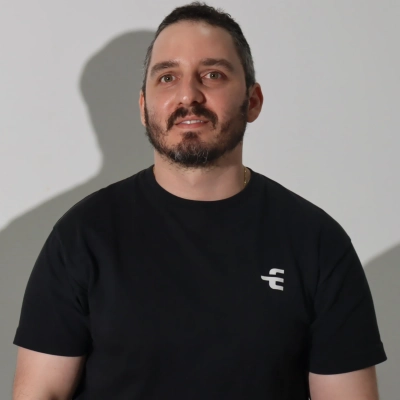
Mission Alignment Elevates Vendors to Allies
Sharing my passion for ethical fashion and the deep purpose behind Co-Wear LLC actually led to an incredible bond with a local logistics provider right here in Denver. At first, our relationship was purely transactional, just numbers on a screen and packages on a truck. One afternoon, I took the time to explain to him why our fabric choices and supply chain transparency mattered so much to me. I showed him how every piece we ship represents a commitment to fair labor and sustainability.
I watched his demeanor change instantly. He started seeing the packages not just as weight, but as a mission. This shared understanding created a bond based on mutual respect rather than just a contract. I learned that real connection happens the moment you move past the what and start explaining the why. When you share your knowledge with vulnerability and passion, you invite other people to take ownership of that vision alongside you. It turned a service provider into a true partner who now looks out for my business as if it were his own. Connection is all about finding that common ground in the values we hold, not just the work we do.
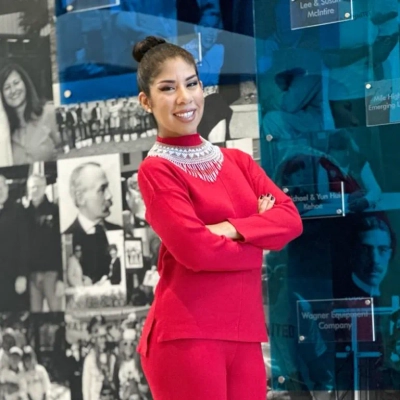
Collaborative Choices Forge Confidence and Respect
Sharing my passion for simplifying financial decisions unexpectedly sparked a strong connection when I helped a younger cousin prepare for their first international trip.
As we navigated the complexities of prepaid travel cards together, I walked them through real-life scenarios like ATM withdrawals, weekend exchange rates, and merchant conversions. By comparing possible outcomes step by step, we demystified the process and made it more relatable.
What struck me was how quickly our conversation shifted from money to trust. They began questioning the system, why companies make fees confusing, and how to identify transparency in other areas of life. The focus moved away from travel cards and onto the art of decision-making.
Through this experience, I learned that genuine connections are forged when knowledge is shared without a power imbalance. Collaborative learning, rather than instruction, fosters trust and mutual respect. When you help someone grasp something that directly impacts their life, you earn their attention, openness, and a deeper sense of connection.

Physiology Explanations Create Patient Partnership
I co-founded a men’s health clinic in Providence after spending two years at Men’s Health Boston, and the strongest bond I built came from teaching a 52-year-old patient about how testosterone actually works in his body. He came in frustrated after three primary care docs just handed him antidepressants for fatigue and brain fog, but when I drew out the feedback loop between his pituitary and testes on paper, something clicked.
He didn’t just become a patient–he became an advocate. Within two months he’d sent four friends our way, not because his symptoms improved (though they did), but because he finally understood *why* he felt the way he did. He told me later that no one had ever explained the physiology; they just threw pills at symptoms.
What surprised me most was how it changed my own approach. I started spending an extra 10-15 minutes in every appointment drawing diagrams and explaining hormone pathways, and our patient retention shot up. When you give someone the framework to understand their own body, they stop seeing you as a transaction and start seeing you as a partner in their health.
The lesson? People don’t bond over you fixing their problem–they bond over you teaching them to understand it. That shift from “fixing” to “educating” transformed isolated appointments into long-term relationships where patients text me questions years later about completely unrelated health decisions.

Lived Experience Invites Skeptics in
Hi there,
I’m Lachlan Brown, co-founder of The Considered Man and a mindfulness-focused psychologist. Much of my work involves teaching ideas that are personal and experiential rather than purely technical, which has taught me a lot about connection.
One of the most unexpected bonds I formed came from teaching mindfulness to someone who initially thought it was pointless. Instead of trying to convince them, I shared a simple practice and explained how I used it during moments of stress in my own life. What created the bond wasn’t the technique itself, but the honesty behind it. They felt invited rather than instructed.
What I learned is that connection deepens when knowledge is shared as lived experience rather than expertise. When you teach from a place of vulnerability instead of authority, people don’t just learn from you; they recognize themselves in you.
Thanks for considering my insights!
Cheers,
Lachlan Brown
Mindfulness Expert | Co-founder, The Considered Man
https://theconsideredman.org/
My book ‘Hidden Secrets of Buddhism’: https://www.amazon.com/dp/B0BD15Q9WF/
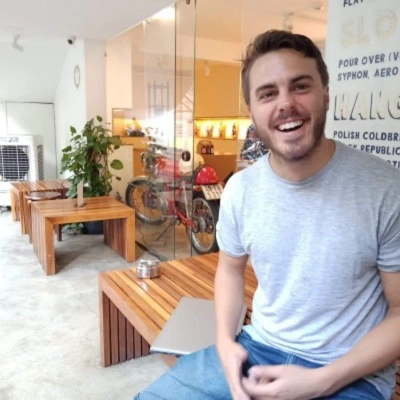
Honest Guidance Fosters Joint Growth
Teaching someone about my passion for storytelling and publishing at Estorytellers created an unexpected bond with a young author I mentored. Initially, our connection was professional. I was showing processes, giving feedback, and explaining publishing steps. But as we worked together, I noticed they began asking questions about my experiences, challenges, and mistakes. That curiosity built trust and empathy on both sides.
Through this process, I learned that sharing knowledge isn’t just about transferring skills. It’s about vulnerability and patience. When you guide someone honestly, admitting what you don’t know or where you stumbled, it humanizes the relationship.
This bond was stronger than any formal collaboration because it was rooted in mutual growth. My advice is simple. Teach with openness, listen actively, and celebrate progress. Connection often grows faster when you share not just knowledge, but insight, stories, and the reasoning behind your passion.

Deeper Insight Calms Fear and Uplifts Families
I run a memory care facility in Michigan, and I’ve spent over a decade in medicine before moving into healthcare administration. One of the most unexpected bonds I formed was with a family whose father had advanced Alzheimer’s–they were terrified of the behavioral changes and didn’t understand why he kept asking for his mother who’d been gone 40 years.
I sat them down and explained the neuroscience behind time confusion in dementia patients, showing them that their dad wasn’t being difficult–his brain literally couldn’t process linear time anymore. I taught them validation techniques instead of trying to reorient him to reality. Within two weeks, their stress dropped visibly because they stopped fighting his experience and started meeting him where he was.
What shocked me was how this daughter became our most vocal advocate, but also started volunteering to teach other families these same techniques at our support groups. She told me that understanding the “broken filter” concept–that dementia doesn’t erase memories, it just scrambles access to them–completely changed how she grieved her father’s condition. She wasn’t losing him; she was learning a new language to reach him.
The lesson hit me hard: clinical knowledge means nothing if families feel stupid for not knowing it. I learned that connection doesn’t come from being the expert in the room–it comes from making sure you’re not the only expert when you leave.

Safe Space Lets Bonds Appear
I had this multilingual student once. While we were learning Spanish, she started helping the other kids and their host families actually understand each other. We never saw that coming. It showed me that sometimes the real work isn’t the lesson plan; it’s just making a space where people feel comfortable enough to connect on their own.

Transparent Framework Restores Party Agency
I’ll never forget teaching a divorcing couple about collaborative law when they were weeks away from a custody trial that would’ve destroyed them financially and emotionally. They walked in ready for war–he wanted full custody, she was convinced he’d manipulate the process. I spent two hours explaining how collaborative law actually works: four-way meetings, transparency requirements, the built-in financial incentive for everyone to settle because if we go to court, both attorneys are disqualified and they start over with new lawyers.
The husband stopped mid-sentence during our third meeting and said something that still sticks with me: “Wait, so you literally can’t make money if this goes badly for us?” That’s when it clicked for both of them. They realized I had skin in their success, not their conflict. Within six weeks they’d crafted a parenting plan that gave their kids stability neither could’ve gotten from a judge’s ruling.
What floored me was three years later, that same husband called to refer his brother who was separating. He told me he’d been quietly telling other dads at his kids’ school that “there’s a different way to do this.” He’d become an unofficial ambassador for collaborative process because understanding the structure–the why behind the approach–gave him something concrete to share when friends were spiraling.
The lesson was humbling: people don’t bond over your credentials, they bond when you hand them a framework that makes them feel less powerless. I learned that real connection happens when you teach someone a system they can own and pass forward, not just advice they consume and forget.

Shared Struggle Breeds Lasting Camaraderie
Working with that dental practice on cybersecurity, something clicked. The receptionist kept asking smart questions; the dentist stayed late to test the new systems; even the hygienist wanted to understand how it protected patient records. Every time we hit a technical wall, they’d grab coffee and we’d figure it out together. We stopped being vendor and clients and just became people solving the same problem. Turns out, spending three months wrestling with firewalls together builds something better than trust – it builds camaraderie.

Local Traditions Welcome Guests as Community
At Camping Les Saules, I loved talking about Breton culture with our team and guests. I remember explaining local traditions to a summer worker, and we ended up talking for hours. That conversation actually sparked a new weekly event, a crepe-making night for guests. When you share what you love, people connect with it. It makes everyone feel like part of the place, not just visitors passing through.

Clear Pairings Nurture Supportive Culture
Getting passionate about building a supportive team is what happened when I took the initiative to set up a buddy system for our new hires. We’d team up each new recruit with someone who’d been around for 3 to 6 months; these buddies would meet up with each other twice a week to go over the tools, expectations and what the unwritten rules were like around here.
To be honest, an unexpected close friendship started to develop because this format made it super easy for new people to just ask simple questions, and the buddies knew exactly what was expected of them in a clear, time certain way to help out.
What I took away from the experience was that connections are much more likely to grow when you show some respect for people’s time and also choose your buddies with an eye on their attitude and communication style, not to mention keeping things nice and low key.
It was that trust that really helped to make the onboarding process go a lot smoother and also improved our retention rates.

Common Nostalgia Unlocks True Rapport
I was explaining game mechanics to another founder and we got talking about old Nintendo games from our childhood. As we broke down why one particular level was so addictive, something clicked for him. Suddenly we weren’t two founders, just two guys who remembered the same level. That shared excitement did more to connect us than any formal meeting ever could.

Attentive Presence Shapes Meaningful Design
A client came in with her late husband’s birthstone, but we ended up talking more about him than about the ring. As she shared stories, the sadness in her eyes made way for smiles. The design we created wasn’t just jewelry; it held his memories. I learned that day the most important part of my job isn’t explaining options; it’s just sitting and listening.

Small Tasks Start Candid Dialogue
I was showing a new guy how to clean the kitchen, and we ended up just talking the whole time. He told me his whole story about why he joined. It hit me that you don’t build connections in big meetings; you build them over a sink full of dishes. So now I’m always the first to offer to show someone the ropes.

Mutual Mentorship Bridges Generations
I set up a reverse mentoring pair where a new graduate taught Reels and TikTok and a veteran teacher shared classroom strategies. Teaching what each cared about created an unexpected bond and real respect across generations. I learned that connection grows when people are both teachers and learners, and it shifts the culture toward openness, curiosity, and collaboration.

Practical Wins Spark Frank Conversations
I was explaining some marketing stuff at a founder meetup, and the best part wasn’t the talk itself. It was the guy who later told me he tried my idea and got his first few customers. Seeing that small win for him made it all click. Honestly, helping someone through a real problem creates a connection way faster than trading success stories. That’s when people actually tell you what’s going on.

Tangible Solutions Earn Genuine Loyalty
Showing users on ReelRecall how to find their saved TikTok recipes changed everything. They’d solve a problem they didn’t know they had, and then suddenly open up about other tech frustrations. It made me realize that when you help someone with a real-life issue, you stop being just a product. That connection works better than any pitch.

Co-Creation Deepens Parent-Child Time
When I gave my children blank books to create their own stories, our time with books became a shared project rather than a one-way lesson. The unexpected bond came from listening to their ideas and letting their voices lead, which let me see our passion through their eyes. I learned that real connection comes from co-creating and being present, not just sharing expertise.

Cultural Tales Melt Formal Barriers
When I showed new teachers how I bring local food traditions into language lessons, the mood shifted. They started sharing stories from their own cultures. We went from a formal presentation to colleagues swapping teaching tips. That stiffness was gone. I found that when you just talk about what you love, people open up right back at you.